
The Ultimate Guide to Surround Sound Installation for Your Smart Home


Understanding Surround Sound Systems
Surround sound systems can transform your smart home into an immersive audio haven. They enhance your entertainment experience by delivering high-quality audio that fills the room, making movies, music, and games more engaging. Understanding the basics of surround sound will help you make informed decisions about your setup.
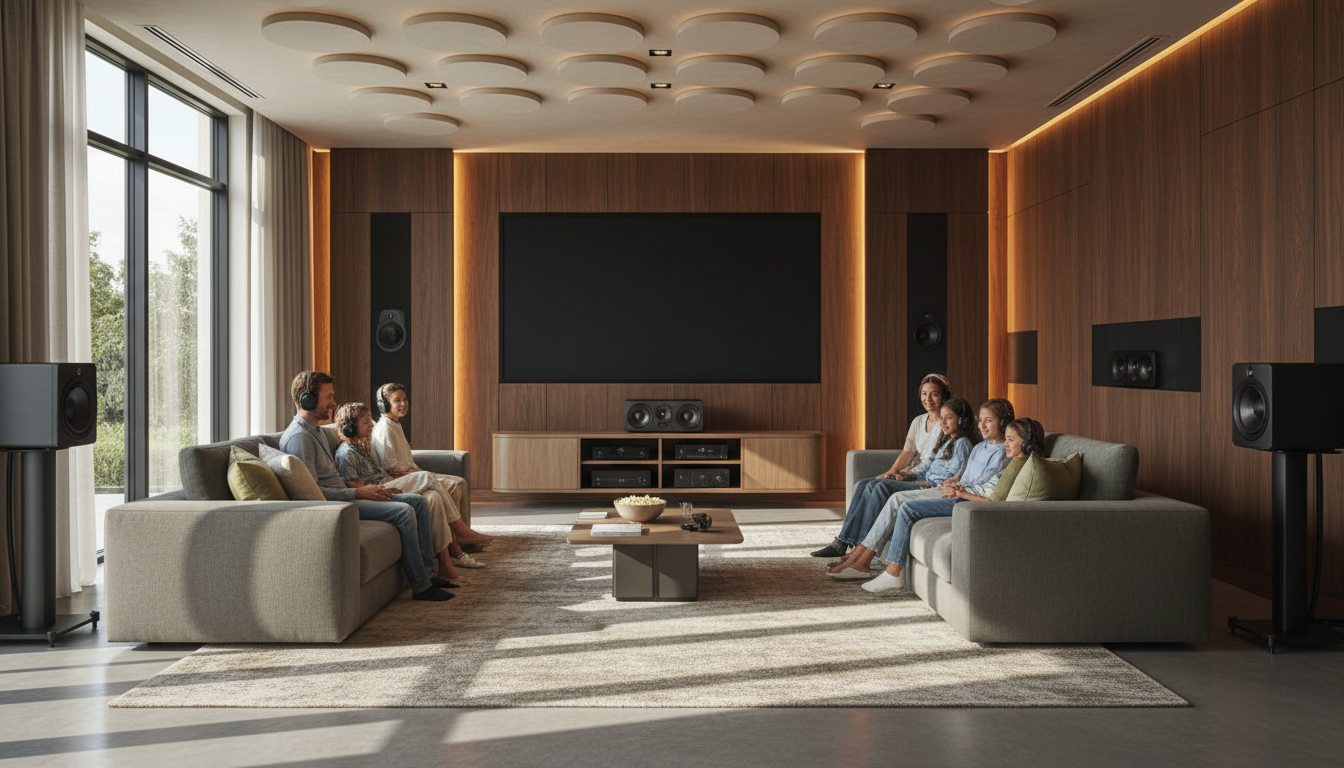
Components of a Surround Sound System
A typical surround sound system includes a combination of speakers, such as a center speaker, front left and right speakers, rear left and right speakers, and a subwoofer. These components work together to create a multi-dimensional audio experience. You may also encounter terms like 5.1, 7.1, or even 9.1, which refer to the number of speakers and subwoofers in the setup.
Choosing the Right System for Your Home
When selecting a surround sound system, consider the size of your room, your budget, and your audio preferences. For smaller spaces, a 5.1 system might suffice, while larger rooms might benefit from a 7.1 or 9.1 setup. Your choice will also depend on whether you prioritize music, movies, or gaming.
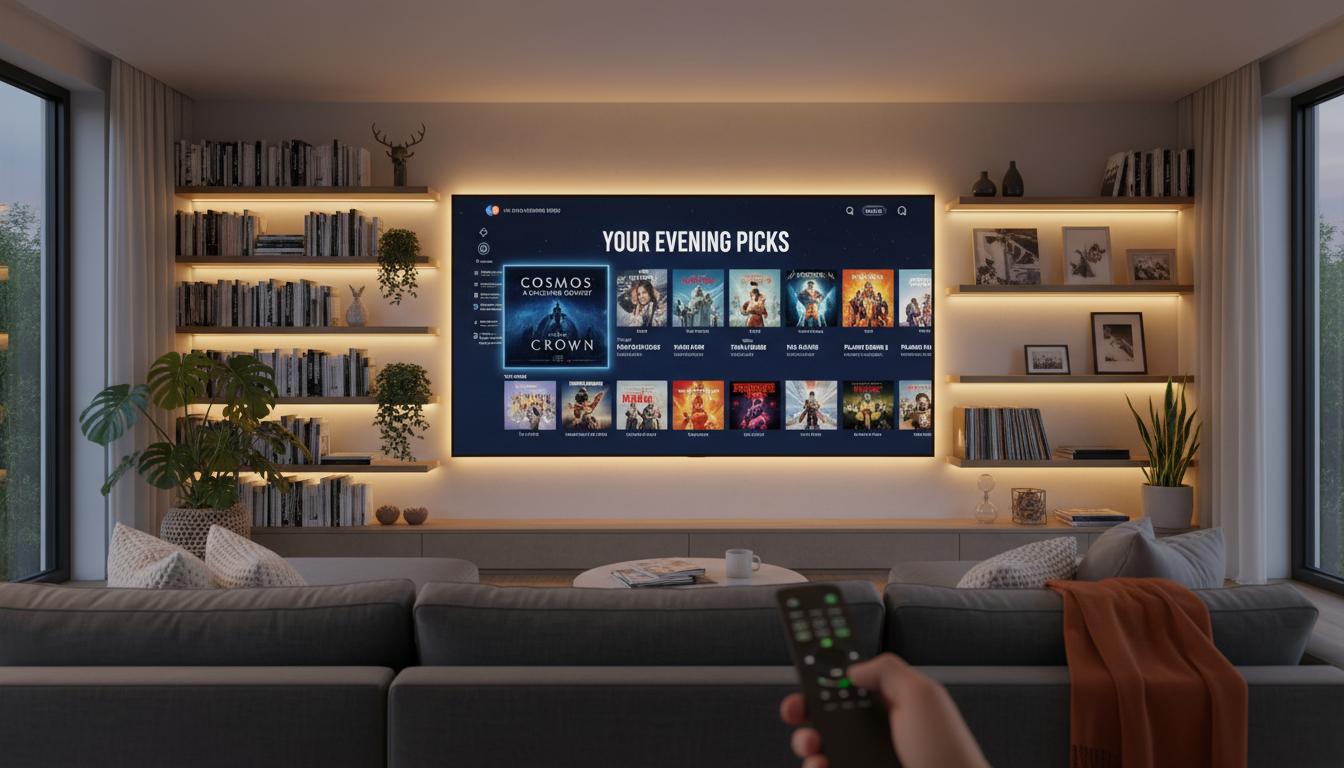
Wireless vs. Wired Systems
Wireless systems offer flexibility and ease of installation, eliminating the need for extensive cabling. However, wired systems often provide more reliable audio quality. Consider your priorities and the layout of your home when deciding between these options. Wireless systems are ideal for those who prioritize convenience and aesthetics.
Installation Process
Installing a surround sound system can be a DIY project or handled by professionals. If you choose to do it yourself, follow these steps:
- Plan your speaker layout based on your room dimensions and seating arrangement.
- Mount or place the speakers at ear level for optimal sound quality.
- Connect the speakers to your AV receiver, following the manufacturer's instructions.
- Calibrate the system using the receiver's setup guide to ensure balanced sound.
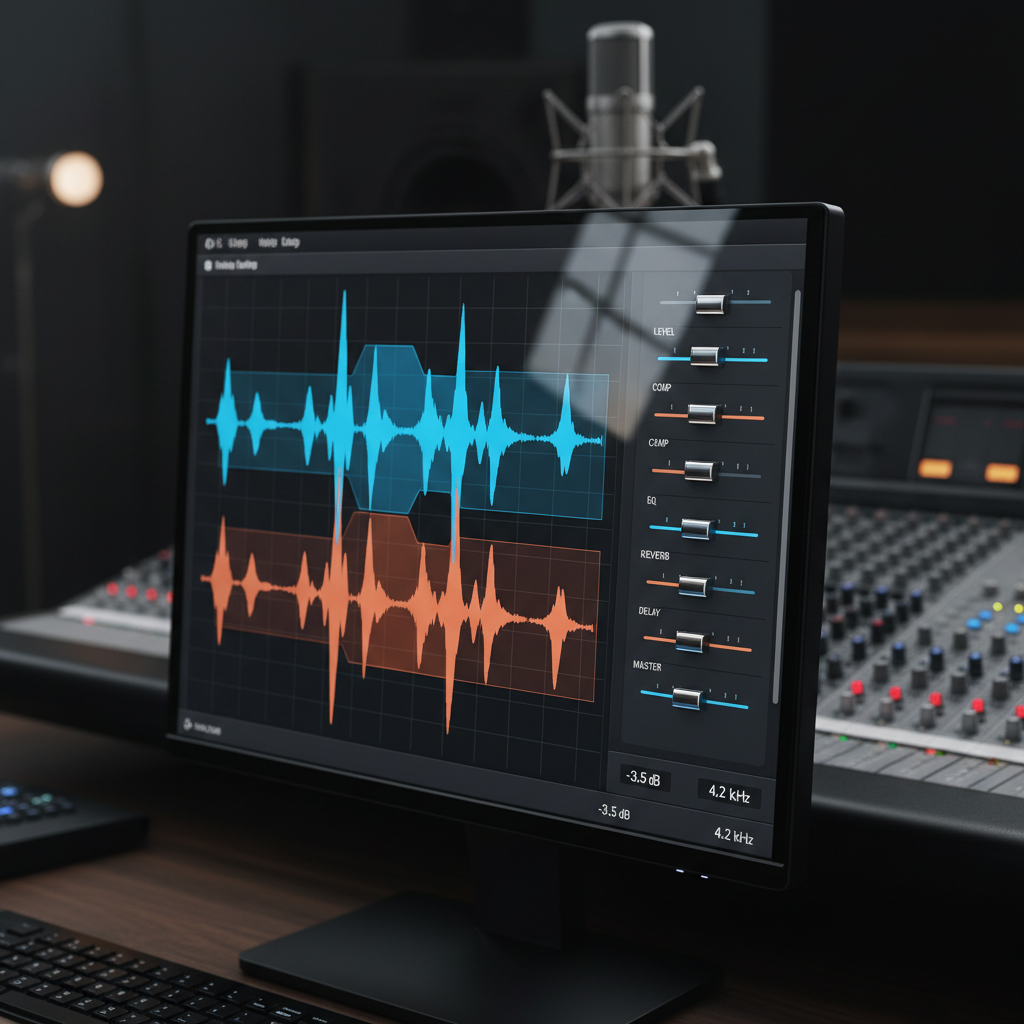
Professional Installation
If you're not comfortable with DIY installation, hiring a professional can ensure that your system is set up correctly. Professionals can also offer advice on optimal speaker placement and calibration, maximizing your system's performance.
Integrating with Smart Home Technology
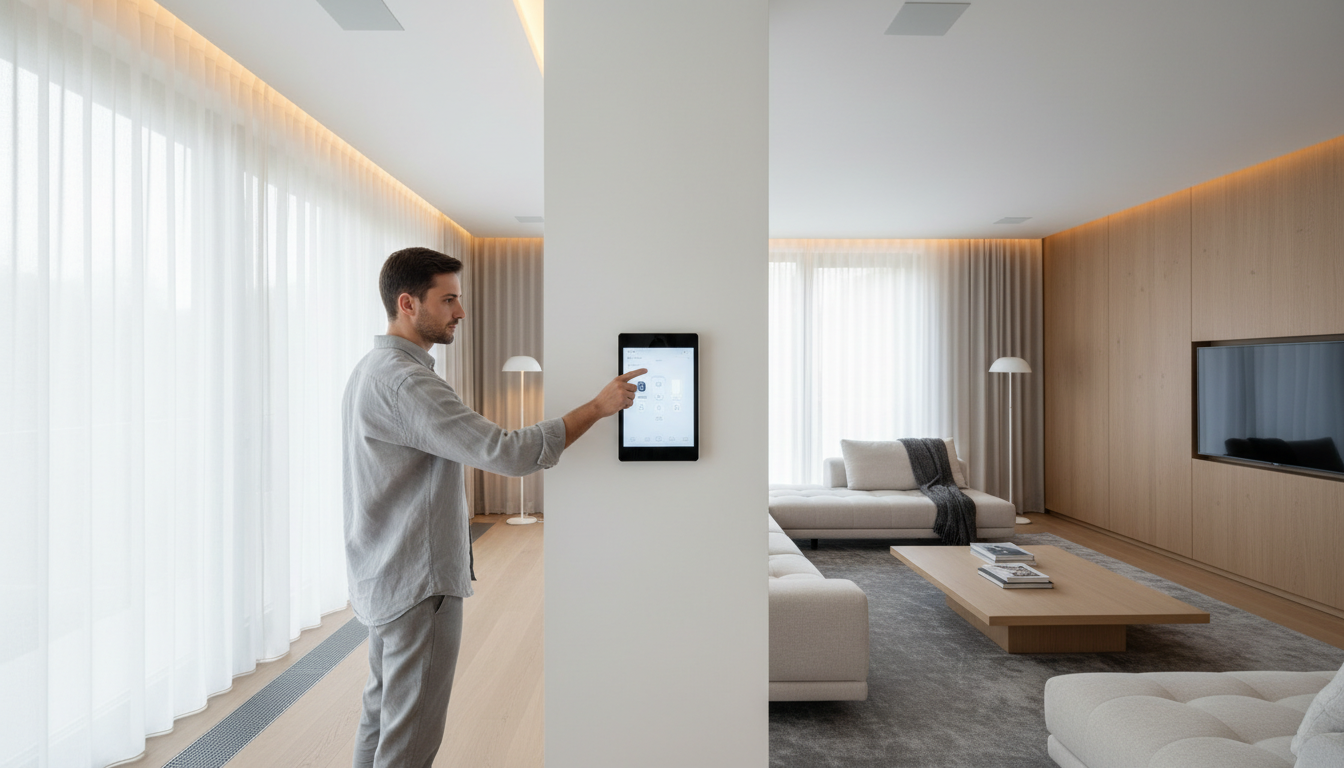
Many modern surround sound systems can be integrated with smart home technology, allowing you to control your audio environment with voice commands or a mobile app. Look for systems compatible with platforms like Amazon Alexa, Google Assistant, or Apple HomeKit for seamless integration.
Maintaining Your Surround Sound System
Regular maintenance ensures that your surround sound system continues to perform optimally. Dust your speakers and check connections periodically. Software updates for smart systems can also keep your setup running smoothly and improve functionality over time.