
The Future of Home Automation: Trends You Should Know


The Rise of Smart Home Devices
The world of home automation is rapidly evolving, transforming the way we interact with our living spaces. With the integration of smart devices, homes are becoming more efficient, convenient, and secure. From smart thermostats to intelligent lighting systems, these devices are designed to enhance our daily lives.
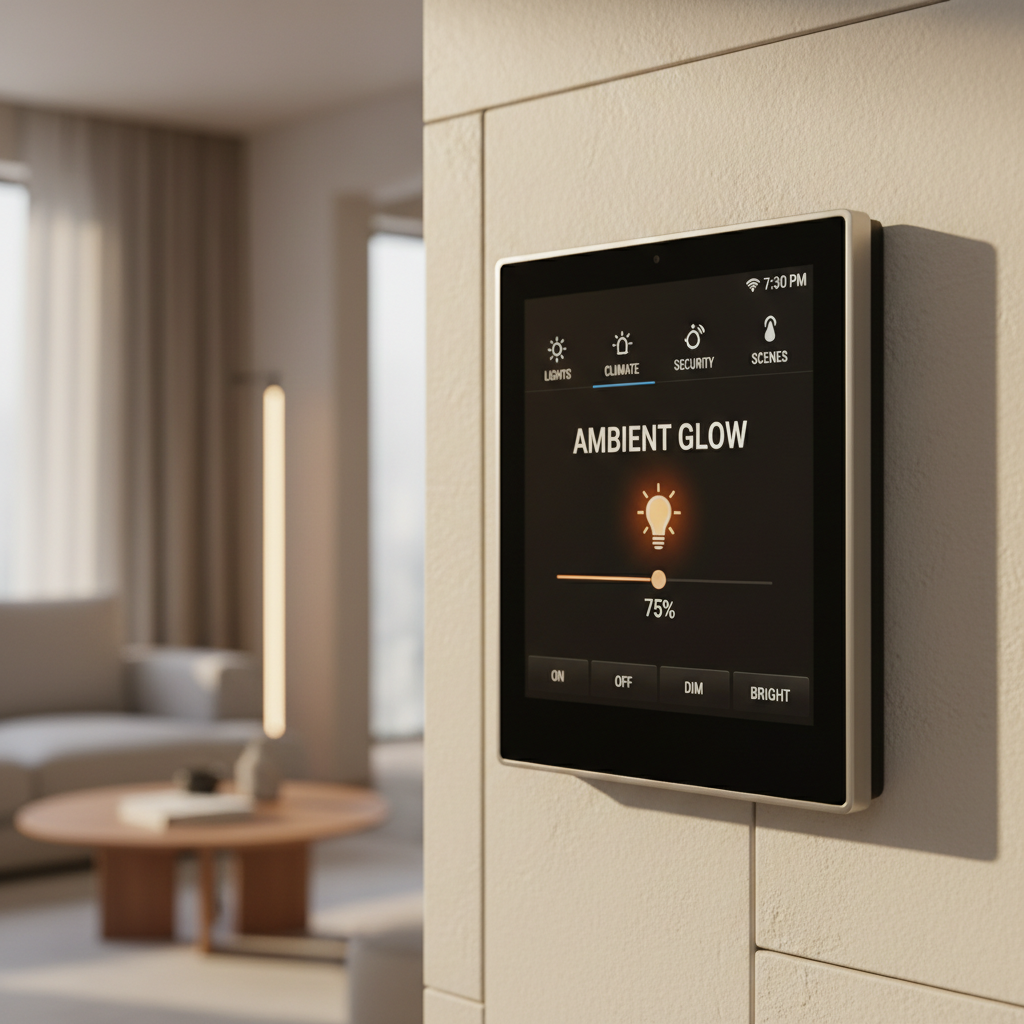
One of the key trends driving home automation is the increasing affordability and accessibility of smart devices. As technology advances, these gadgets are becoming more budget-friendly, allowing more homeowners to embrace the smart home revolution.
Voice-Activated Assistants
Voice-activated assistants like Amazon Alexa, Google Assistant, and Apple Siri have become household staples. These devices not only control other smart gadgets but also provide information and perform tasks through simple voice commands. The integration of artificial intelligence allows these assistants to learn user preferences, making them more intuitive over time.
The seamless interaction between voice assistants and smart home devices is paving the way for more integrated and cohesive home environments. As AI continues to advance, we can expect even more personalized and responsive experiences.
Enhanced Home Security
Security is a top priority for many homeowners, and smart home technology is providing innovative solutions. From smart locks to video doorbells and surveillance cameras, these devices offer enhanced protection and peace of mind. They allow homeowners to monitor their properties remotely and receive instant alerts in case of unusual activity.
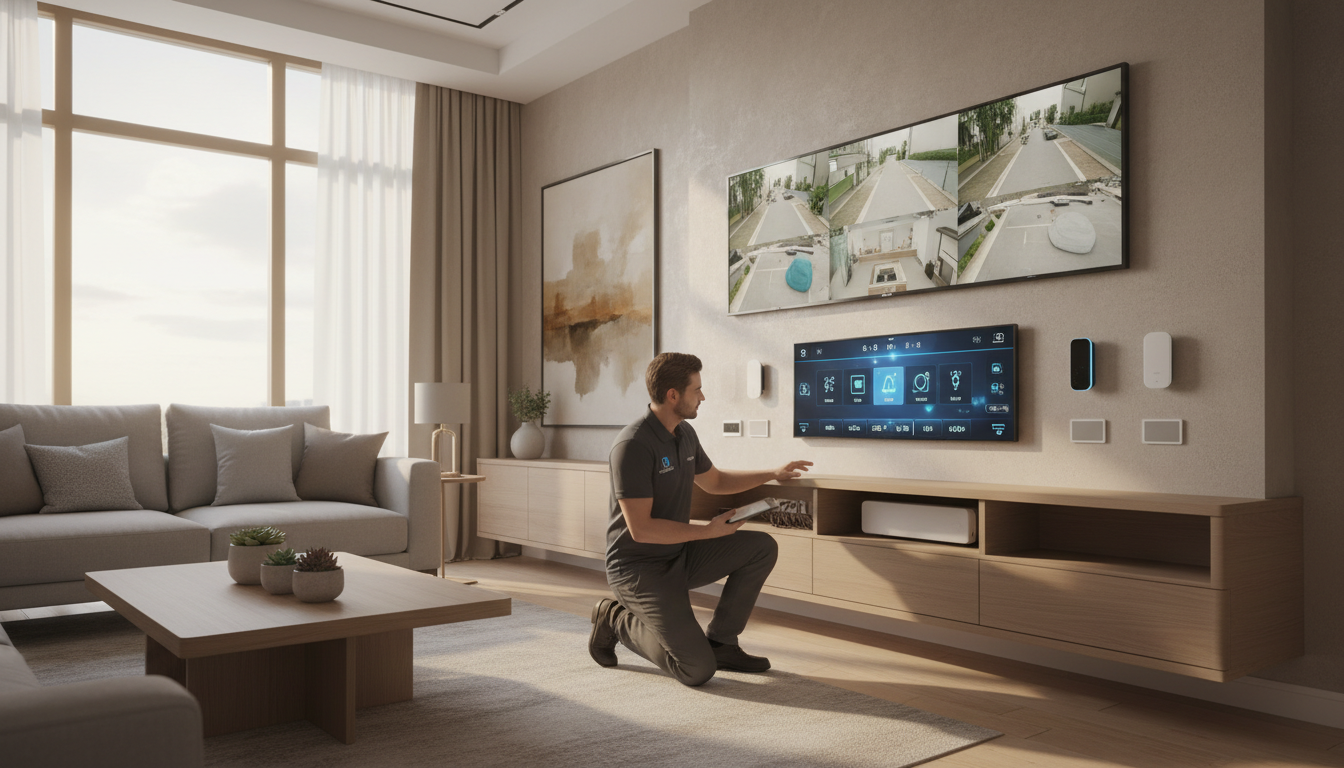
Moreover, advancements in biometric technology, such as facial recognition, are further enhancing security measures, ensuring that only authorized individuals can access the home.
Energy Efficiency and Sustainability
As environmental concerns grow, the focus on energy-efficient home automation solutions is increasing. Smart thermostats, energy-efficient appliances, and automated lighting systems help reduce energy consumption and lower utility bills. These devices can be programmed to operate during off-peak hours, optimizing energy use.
In addition to saving money, these technologies contribute to a more sustainable lifestyle, reducing the carbon footprint of households.
Interconnected Smart Ecosystems
The future of home automation lies in interconnected ecosystems where devices communicate seamlessly with each other. Platforms like Apple HomeKit, Samsung SmartThings, and Google Home are creating centralized systems that allow users to control all their smart devices from a single app.
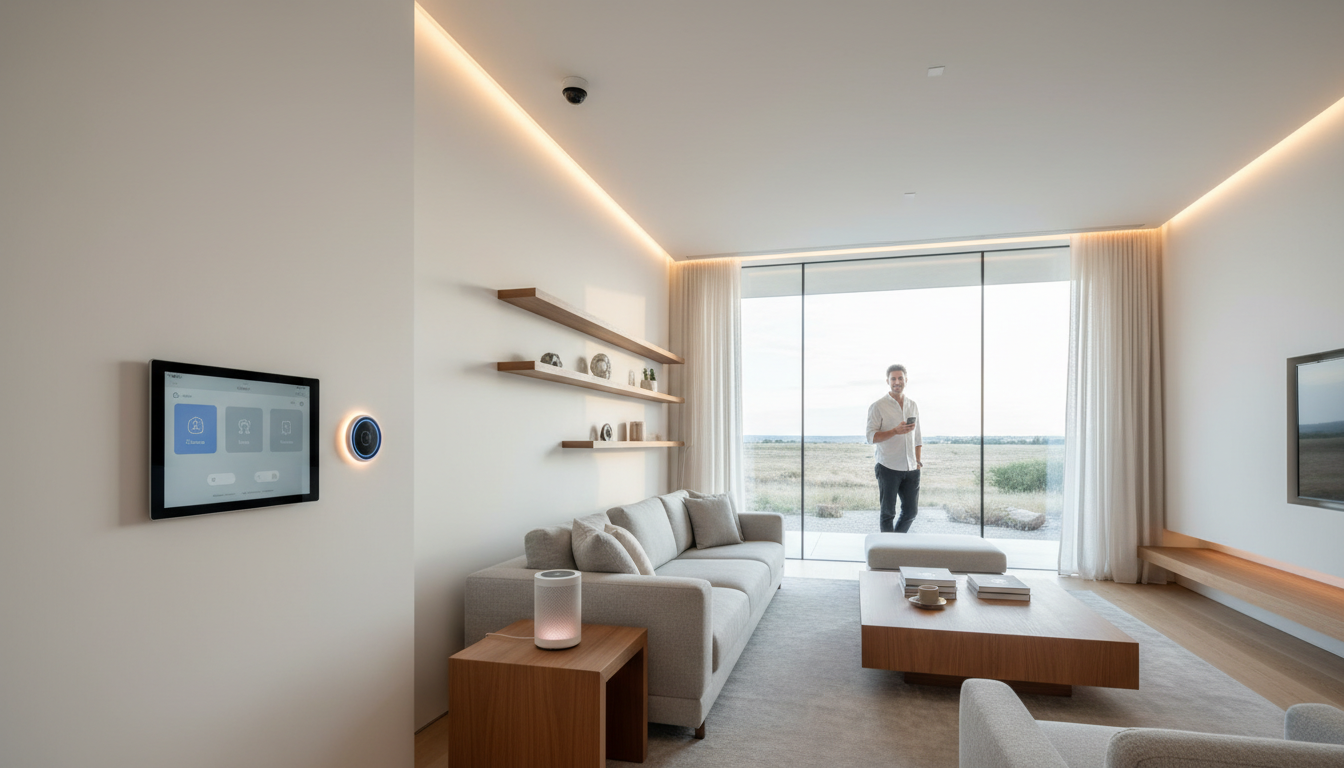
This integration simplifies the management of smart homes, enabling more sophisticated automation scenarios. Imagine a morning routine where your coffee maker starts brewing as your blinds open and your favorite playlist begins to play—all triggered by your alarm clock.
Challenges and Considerations
While the benefits of home automation are clear, there are also challenges to consider. Privacy concerns and data security are significant issues as more devices collect and share personal information. It's crucial for users to choose reputable brands and ensure their networks are secure.
Moreover, the rapid pace of technological advancement can make devices quickly obsolete, requiring constant updates and replacements.
The Road Ahead
The future of home automation is bright, with innovations constantly emerging. As technology continues to evolve, homes will become even smarter and more intuitive. Embracing these trends can lead to a more comfortable, secure, and sustainable way of living.
Staying informed about the latest developments in home automation is essential for those looking to enhance their living spaces and embrace the future of home technology.