
Smart Home Automation Trends: What to Expect in the Future


Smart home automation is rapidly evolving, offering homeowners unprecedented control and convenience. As technology advances, the future of smart homes promises even more innovative solutions. These trends are set to redefine the way we interact with our living spaces.
Increased Integration and Interoperability
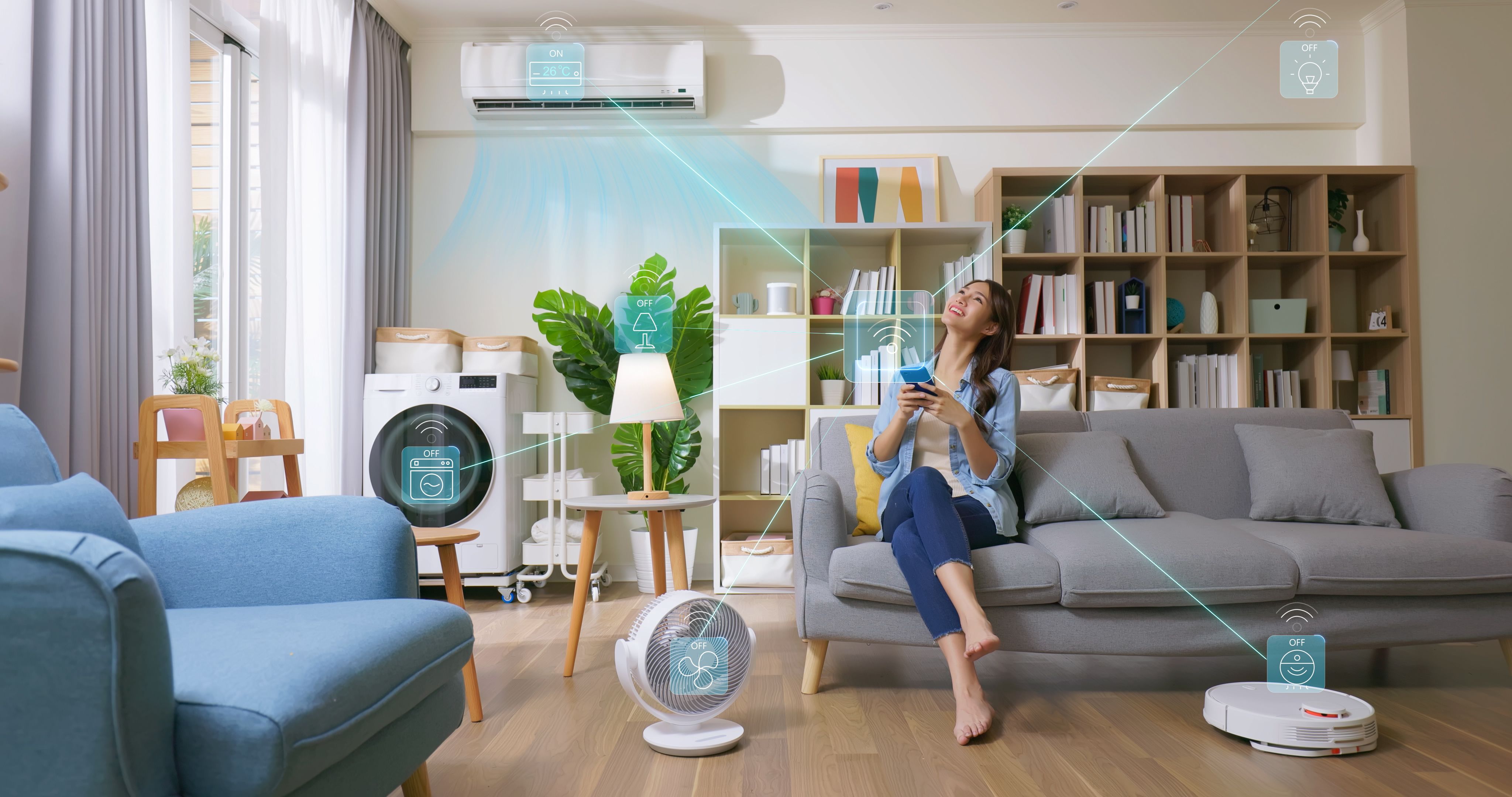
One of the most anticipated trends in smart home automation is increased integration. The future will likely see devices communicating more seamlessly, allowing for a more unified experience. This means your lights, thermostat, and security systems will all work together, offering a truly interconnected home environment.
Interoperability will also improve as manufacturers adopt common standards. This will enable different brands and devices to work more harmoniously, reducing compatibility issues that currently frustrate many users.
Enhanced Security Features
Security is a top priority for smart home technology. Future innovations will focus on advanced security features, such as AI-driven surveillance systems and biometric authentication. These technologies will provide homeowners with enhanced protection and peace of mind.
Additionally, expect more robust data encryption and privacy controls, ensuring that personal information remains secure from cyber threats.
AI and Machine Learning
Artificial intelligence and machine learning will play a significant role in the future of smart home automation. These technologies will enable systems to learn from user behaviors and preferences, creating a more personalized home environment.
Energy Efficiency and Sustainability
As environmental concerns continue to grow, smart home technologies will increasingly focus on energy efficiency. Future systems will optimize energy usage, reducing waste and lowering utility bills. This trend is not only financially beneficial but also supports environmental sustainability.
Smart lighting, intelligent thermostats, and energy management systems will become more prevalent, allowing homeowners to monitor and control their energy consumption more effectively.
Voice and Gesture Control
Voice control is already a popular feature in many smart homes, but the future will see even more advanced voice and gesture control options. These intuitive interfaces will make interacting with smart devices more natural and convenient.

Health and Wellness Integration
Smart home automation will increasingly incorporate health and wellness features. Devices that monitor air quality, manage lighting for better sleep, and track physical activity will become standard. These innovations aim to enhance the overall well-being of inhabitants.
Smart kitchens may also emerge, offering appliances that provide nutritional advice and meal planning assistance, further integrating health into daily living.
Conclusion
The future of smart home automation holds exciting possibilities. With advancements in integration, security, energy efficiency, and more, homeowners can look forward to a more connected, secure, and sustainable living environment. As these trends continue to evolve, the smart home will become an indispensable part of modern life.