
FAQ: Common Misconceptions About Smart Home Setups


Understanding Smart Home Setups
Smart home technology is rapidly becoming a staple in modern households. However, despite its growing popularity, several misconceptions about smart home setups persist. In this FAQ, we'll address some of the most common misunderstandings and provide clarity on what smart homes can truly offer.
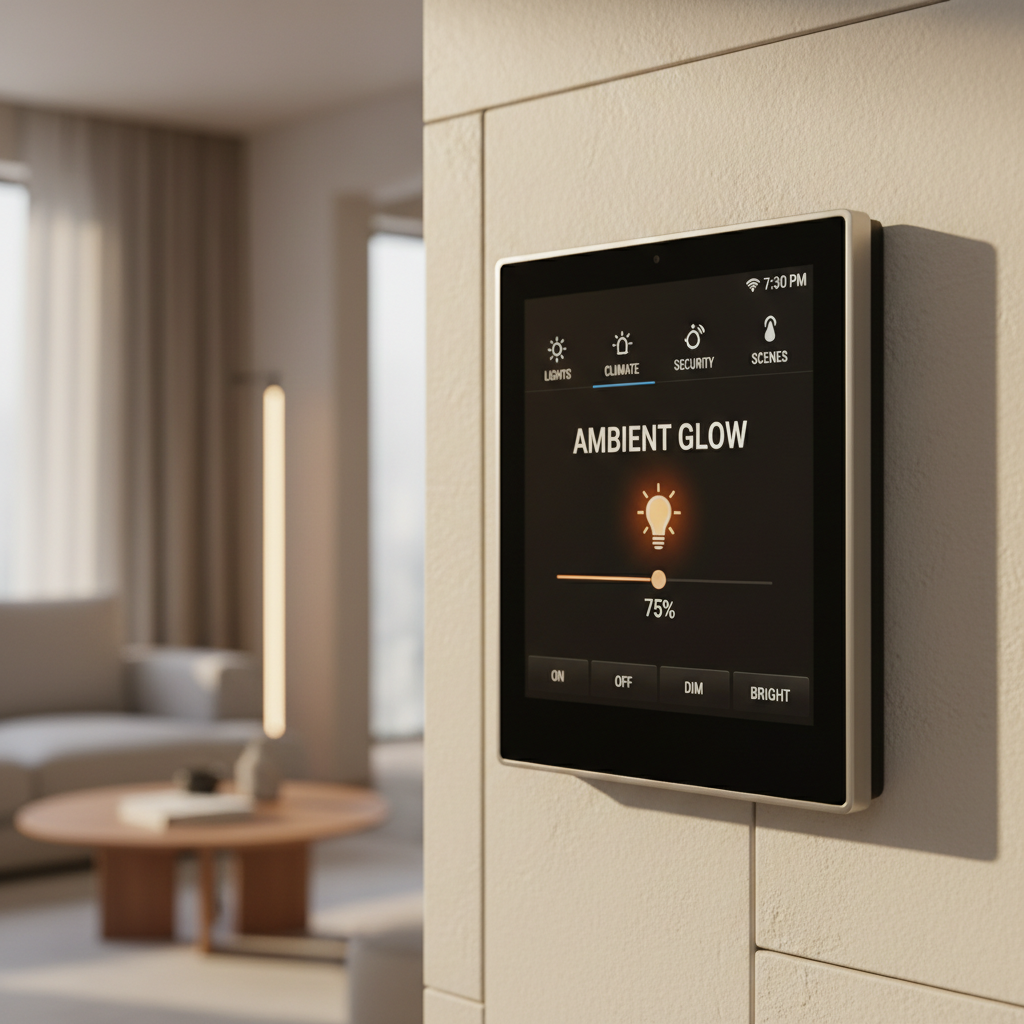
Misconception 1: Smart Homes Are Too Expensive
One of the most prevalent myths is that smart home technology is only for the affluent. While it is true that some systems can be costly, there are affordable options available. Many devices are designed to be budget-friendly and can be integrated gradually, allowing homeowners to build their smart systems over time.
Additionally, the cost-saving benefits of smart technology, such as energy efficiency and lower utility bills, can offset the initial investment. Smart thermostats, LED lighting, and energy monitoring plugs are just a few examples of affordable devices that contribute to long-term savings.
Misconception 2: Smart Homes Are Complicated to Set Up
Another common belief is that setting up a smart home is a complex task, requiring technical expertise. In reality, many smart devices are designed for easy installation and can be set up by following simple instructions. Most gadgets connect through user-friendly apps that guide you through the process step-by-step.
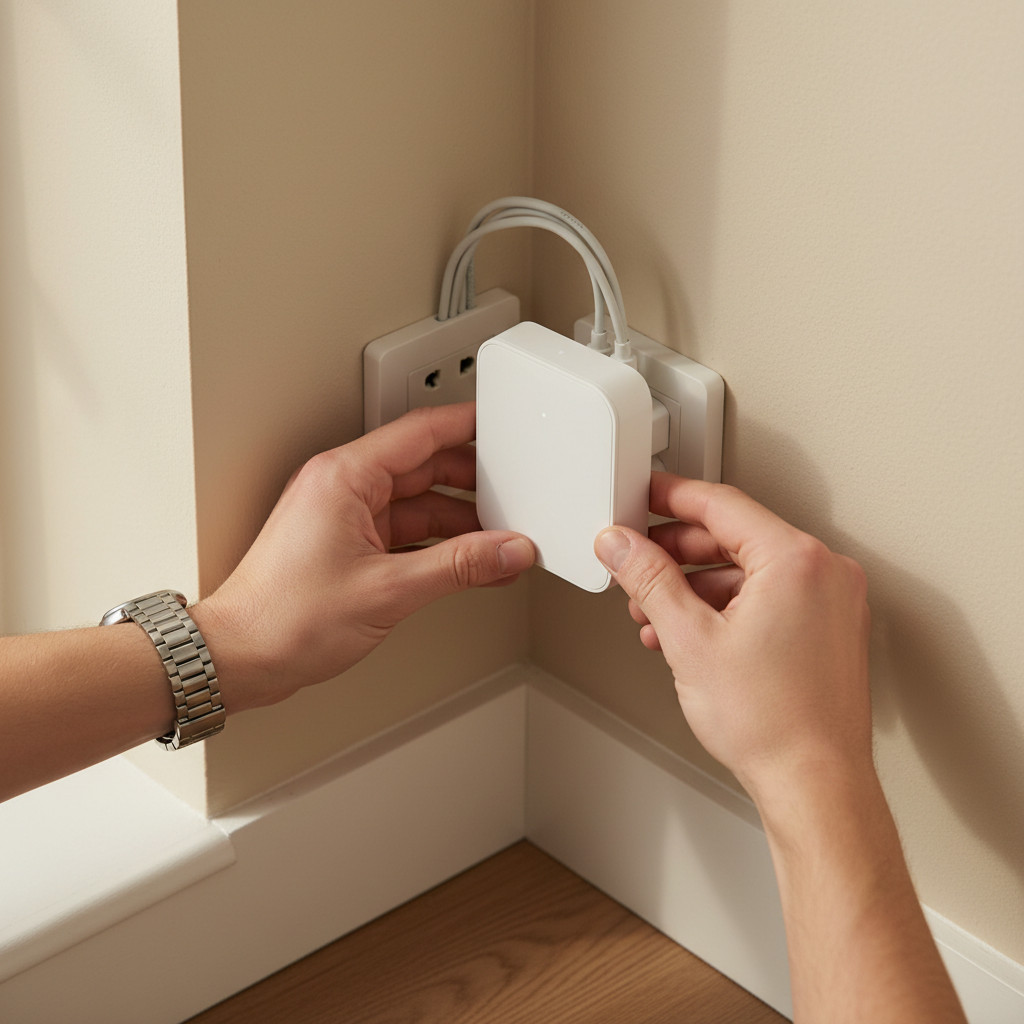
For those who are less tech-savvy, hiring a professional installer is an option, but often, it's not necessary. Many manufacturers offer comprehensive customer support to assist with any setup challenges.
Misconception 3: Smart Homes Are Vulnerable to Hacking
Security concerns are valid, but the notion that smart homes are inherently unsafe is misleading. By following best practices, such as using strong passwords and enabling two-factor authentication, homeowners can significantly enhance their system's security. Regularly updating device firmware also helps protect against vulnerabilities.
Moreover, many smart home devices come with built-in security features designed to safeguard user data. Opting for reputable brands and manufacturers ensures a higher level of security and reliability.
Misconception 4: Smart Homes Don't Work Well Together
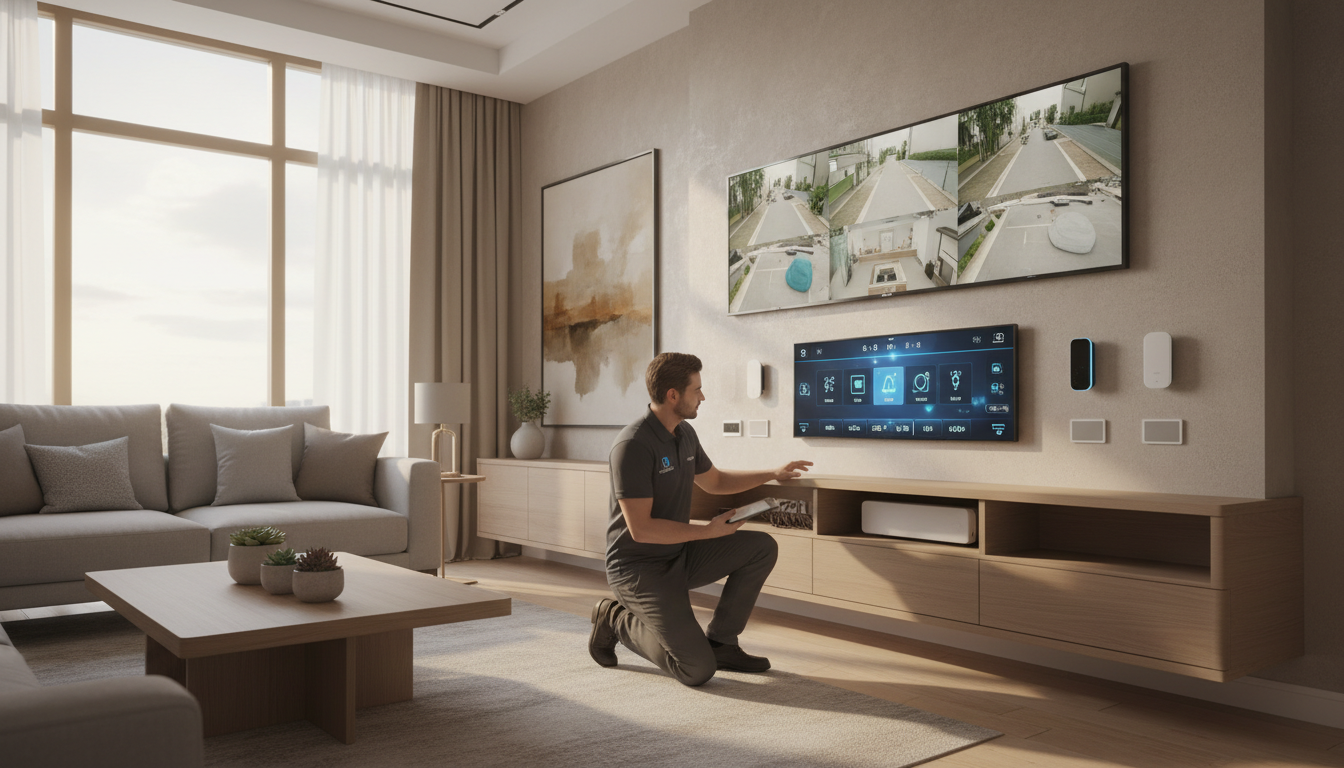
Some people believe that smart home devices from different brands cannot operate cohesively. While compatibility issues can arise, many devices now support common platforms like Amazon Alexa, Google Assistant, and Apple HomeKit, facilitating interoperability.
Using a centralized hub can also help manage various devices, ensuring a seamless experience. As the industry evolves, manufacturers are increasingly prioritizing integration, making it easier than ever to mix and match devices from different brands.
Misconception 5: Smart Homes Are Just a Fad
Finally, the idea that smart home technology is a passing trend is a misconception. The market for smart devices continues to grow, with innovations being introduced regularly. From enhanced security features to improved energy management, smart homes offer practical solutions that appeal to a wide range of consumers.
By understanding and addressing these misconceptions, more homeowners can enjoy the convenience and benefits that smart home technology provides. As the technology advances, it's likely that the adoption of smart homes will become even more widespread, proving that this is far from just a temporary trend.