
Common Misconceptions About Smart Home Automation Debunked


Understanding Smart Home Automation
Smart home automation has become increasingly popular, yet there are still several misconceptions surrounding it. Many people are hesitant to adopt this technology due to misunderstandings about its complexity, cost, and privacy implications. Let's debunk some of these common myths and provide clarity on what smart home automation truly offers.
Myth 1: Smart Homes Are Only for Tech Experts
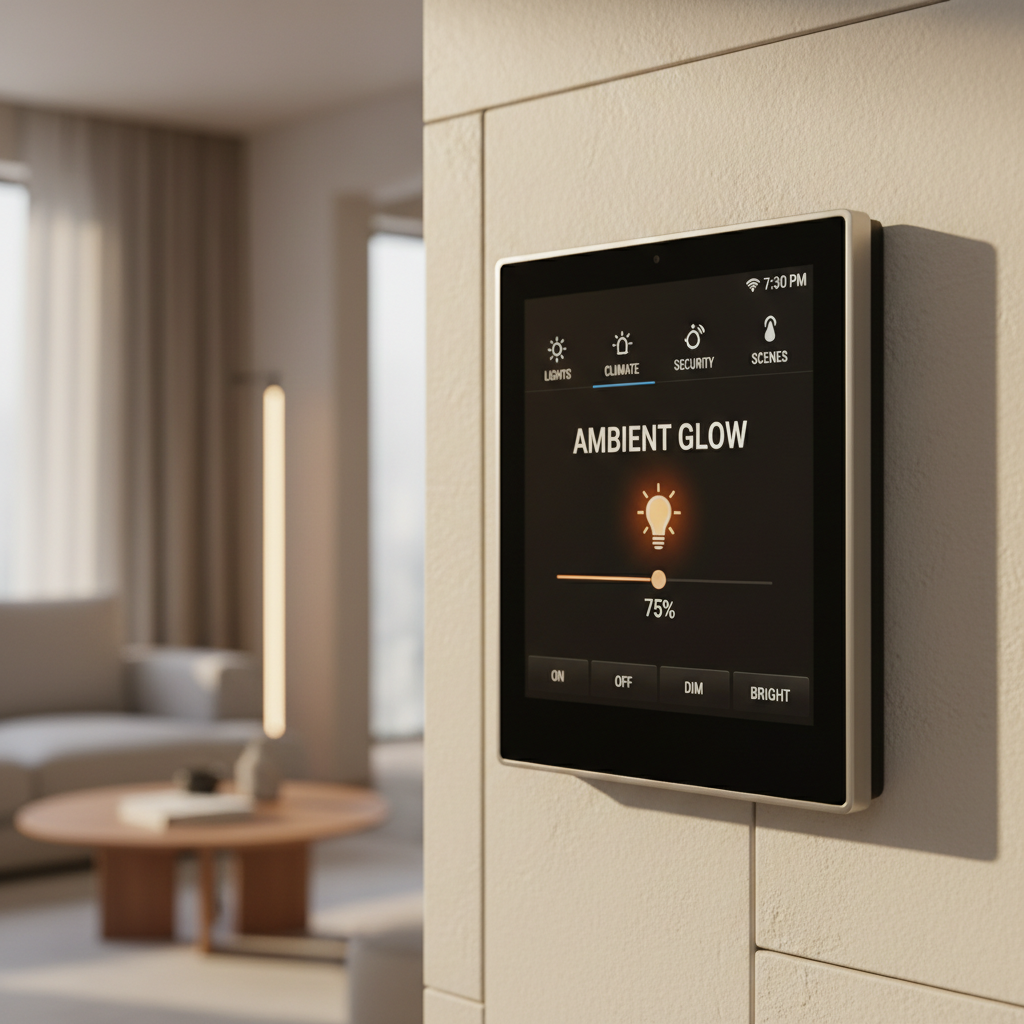
A prevalent misconception is that only tech-savvy individuals can manage smart home systems. In reality, smart home automation is designed to be user-friendly. Most devices come with straightforward interfaces and intuitive apps that guide users through the setup process. Companies are continually working to make these systems more accessible to everyone, regardless of their technical expertise.
Moreover, many smart devices are compatible with popular voice assistants like Alexa, Google Assistant, and Siri, allowing users to control their home with simple voice commands. This integration further simplifies the user experience.
Myth 2: Smart Home Automation Is Expensive
Another common belief is that automating your home comes with a hefty price tag. While it's true that some high-end systems can be costly, there are numerous affordable options available. Many smart devices can be purchased individually, allowing users to gradually build their smart home ecosystem according to their budget.
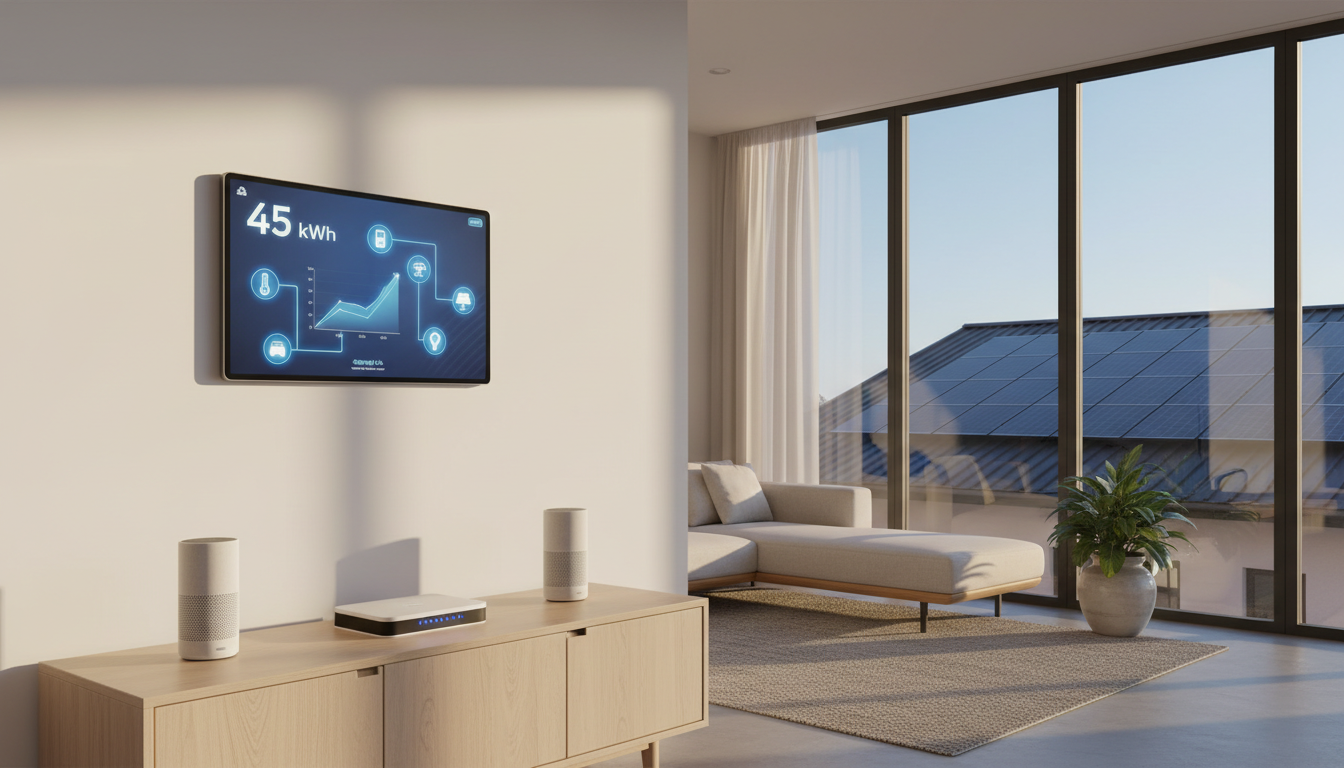
Additionally, smart home technology can lead to long-term savings. Energy-efficient devices, such as smart thermostats and lighting, can significantly reduce utility bills over time, offering a return on investment that offsets the initial costs.
Myth 3: Smart Homes Compromise Privacy
Concerns about privacy and data security are valid, but they shouldn't deter you from exploring smart home technology. Manufacturers are increasingly prioritizing security by implementing advanced encryption and regular software updates to protect user data. By choosing reputable brands and regularly updating your devices, you can help ensure your personal information remains secure.
Furthermore, users have control over what data they share. Most smart devices allow you to customize privacy settings, giving you the ability to decide which information is collected and how it is used.
Myth 4: Smart Devices Are Incompatible with Older Homes
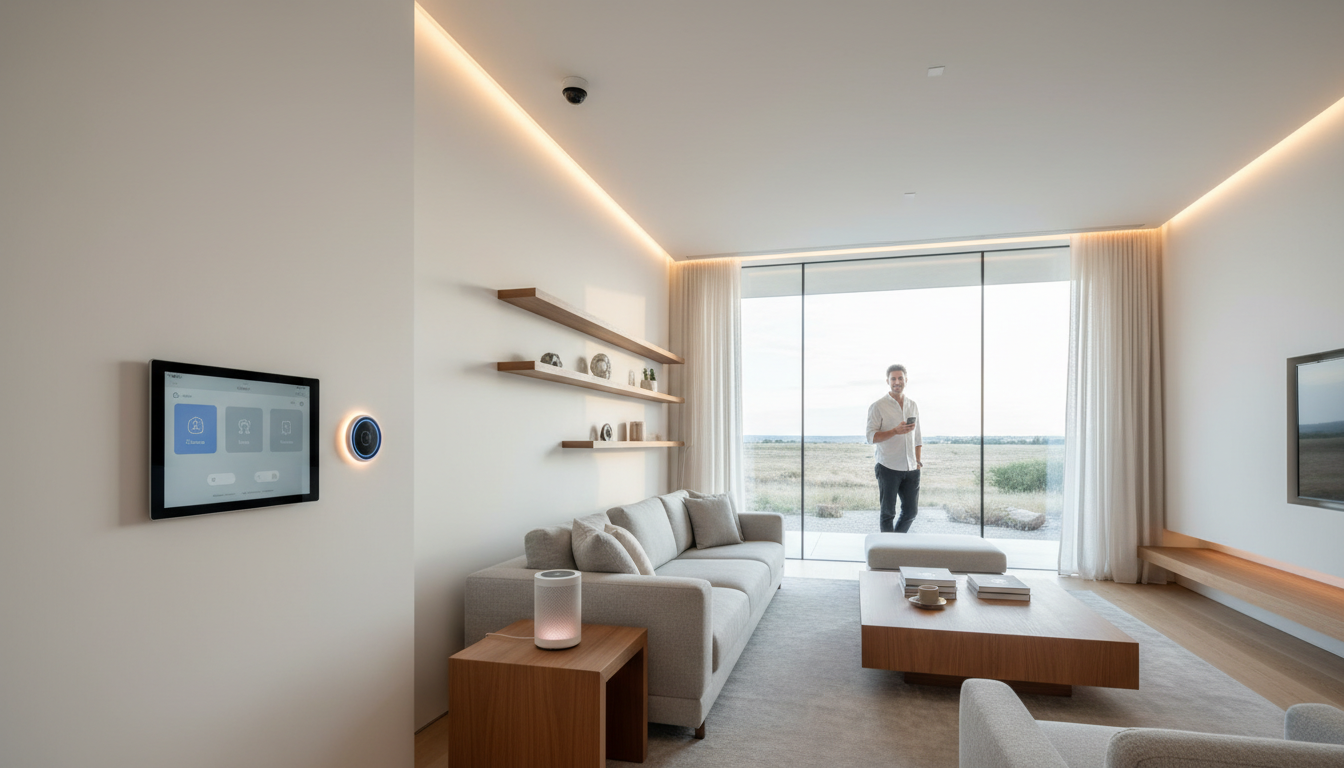
Some people believe that older homes cannot support smart technology. However, smart home devices are designed to integrate seamlessly with existing infrastructures. Many devices are wireless, eliminating the need for extensive rewiring. Smart plugs, for instance, can be inserted into traditional power outlets to provide connectivity without any major modifications.
Smart home systems are highly adaptable and can be tailored to fit a variety of home styles and ages. This flexibility ensures that everyone can benefit from the convenience and efficiency of smart technology, regardless of their home's age.
Embracing the Future with Confidence
Smart home automation offers numerous benefits, from enhancing convenience to promoting energy efficiency. By debunking these misconceptions, we hope to encourage more people to explore the possibilities that smart technology presents. With careful consideration and informed choices, you can transform your home into a smart haven that suits your lifestyle.