
Common Misconceptions About DIY TV Mounting


DIY TV Mounting: An Overview
Mounting a TV on your own can be a rewarding project, bringing a sleek and modern look to your living space. However, many people are deterred by common misconceptions that make the process seem more complicated than it is. In this post, we'll debunk some of these myths and help you feel more confident about taking on this DIY task.
Misconception 1: You Need Professional Tools
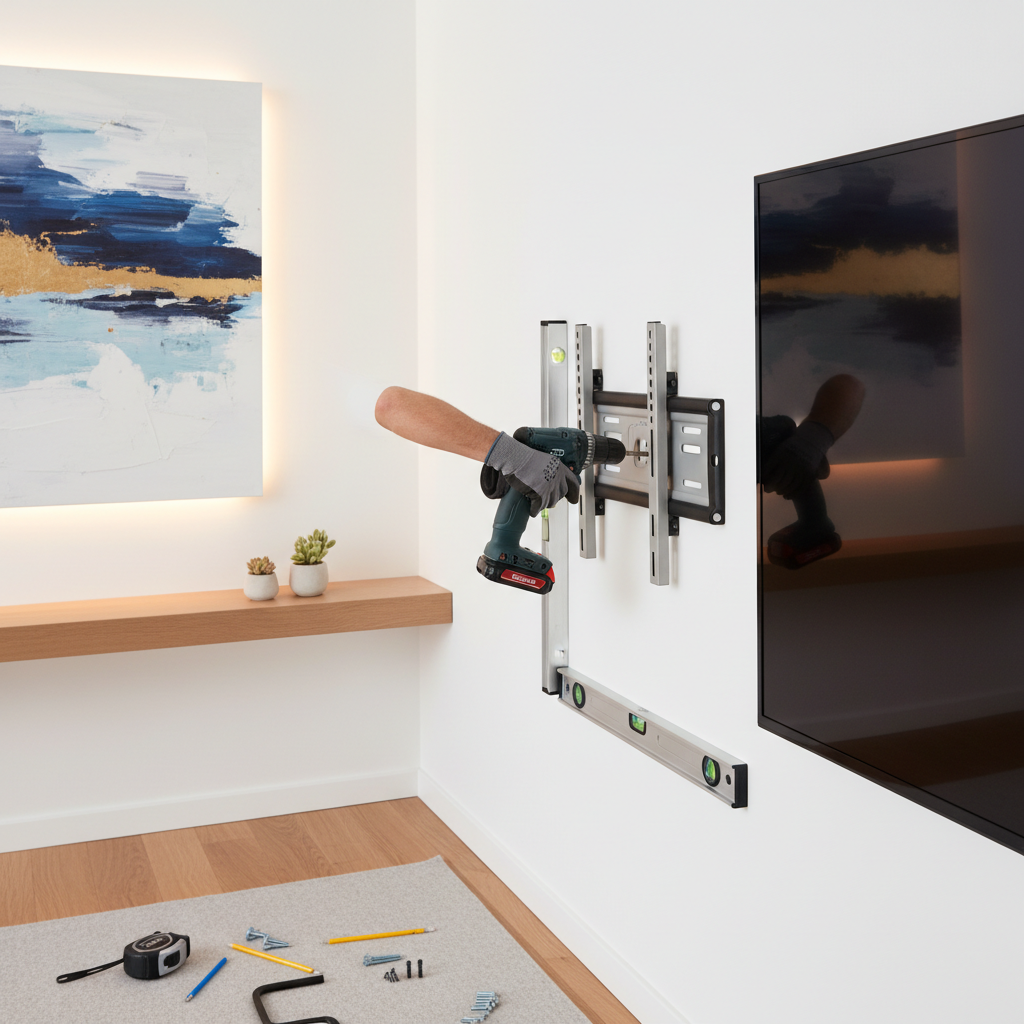
One of the most prevalent misconceptions is that you need a suite of specialized tools to mount a TV. In reality, most of the tools required are likely already in your toolbox. A drill, a level, a screwdriver, and a stud finder are typically sufficient for the job. While a power drill can make things easier, a regular drill can work just as well.
Additionally, many TV mounting kits come with all the necessary hardware, making it even simpler to get started without needing additional purchases.
Misconception 2: Any Wall Will Do
Another common myth is that you can mount a TV on any wall. While it's true that many walls can accommodate a TV mount, it's crucial to ensure that the wall is sturdy enough. Plaster, drywall, or a wall without studs may not provide the necessary support, leading to potential accidents.
Always use a stud finder to locate the studs in your wall, and make sure your mount is secured into these for maximum stability. If studs are not available, consider using toggle bolts or consulting with a professional to find the best solution.
Misconception 3: TV Size Doesn't Matter
Some assume that the size of the TV doesn't impact the mounting process. However, the size and weight of your TV are critical factors in determining the type of mount you need. Larger TVs require mounts that can support more weight and offer broader brackets for stability.
Always check the specifications of your TV and mount to ensure compatibility. Most mounts will list the appropriate TV sizes and weights they can safely support.
Misconception 4: It's a One-Person Job
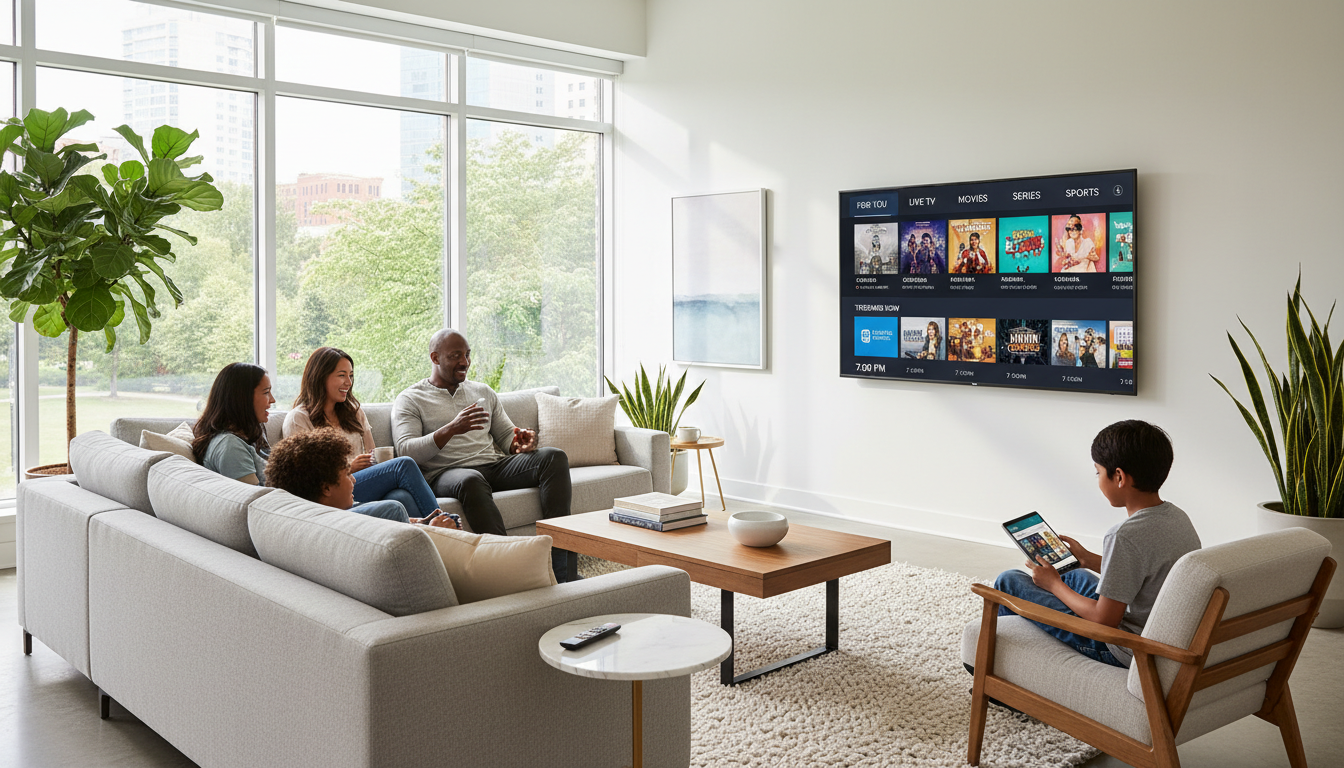
While mounting a TV might seem like a task you can tackle alone, having an extra set of hands can be extremely helpful. Aligning the mount, holding the TV, and securing it in place are much easier with a partner. This approach reduces the risk of error and enhances safety.
Enlist a friend or family member to assist with the process. It not only makes the job quicker but also ensures that everything is aligned correctly and securely fastened.
Conclusion: DIY Success
By dispelling these common misconceptions, you can approach your DIY TV mounting project with confidence. Remember, preparation is key. Ensure you have the right tools, understand your wall type, and choose the appropriate mount for your TV size. With these factors in mind, you'll be well on your way to a successful and satisfying DIY endeavor.