
Avoid These Common Mistakes When Setting Up Your Home Audio System


Choosing the Right Equipment
Setting up a home audio system can be an exciting project, but it's essential to choose the right equipment from the start. Many people make the mistake of purchasing equipment based on brand names or aesthetics rather than functionality. Ensure that your speakers, amplifiers, and receivers are compatible with each other and are suitable for the size of your room.
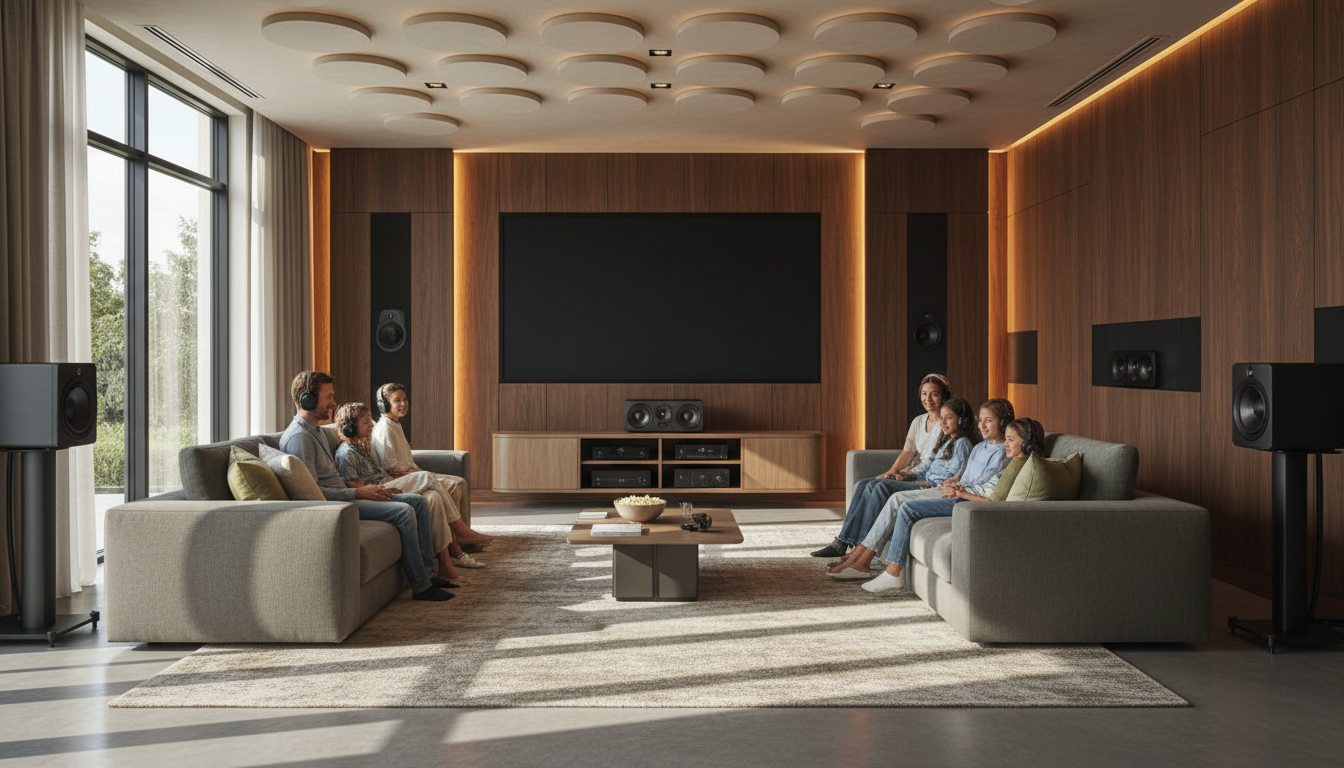
Consider the acoustics of your space when selecting speakers. The size and shape of your room can significantly affect sound quality. Opt for equipment that matches your specific needs, whether it’s for a small living room or a larger entertainment area.
Improper Speaker Placement
One of the most common mistakes is placing speakers in the wrong location. Proper speaker placement is crucial to achieving the best sound quality. Avoid placing speakers too close to walls or in corners, as this can cause unwanted echoes and distortions.
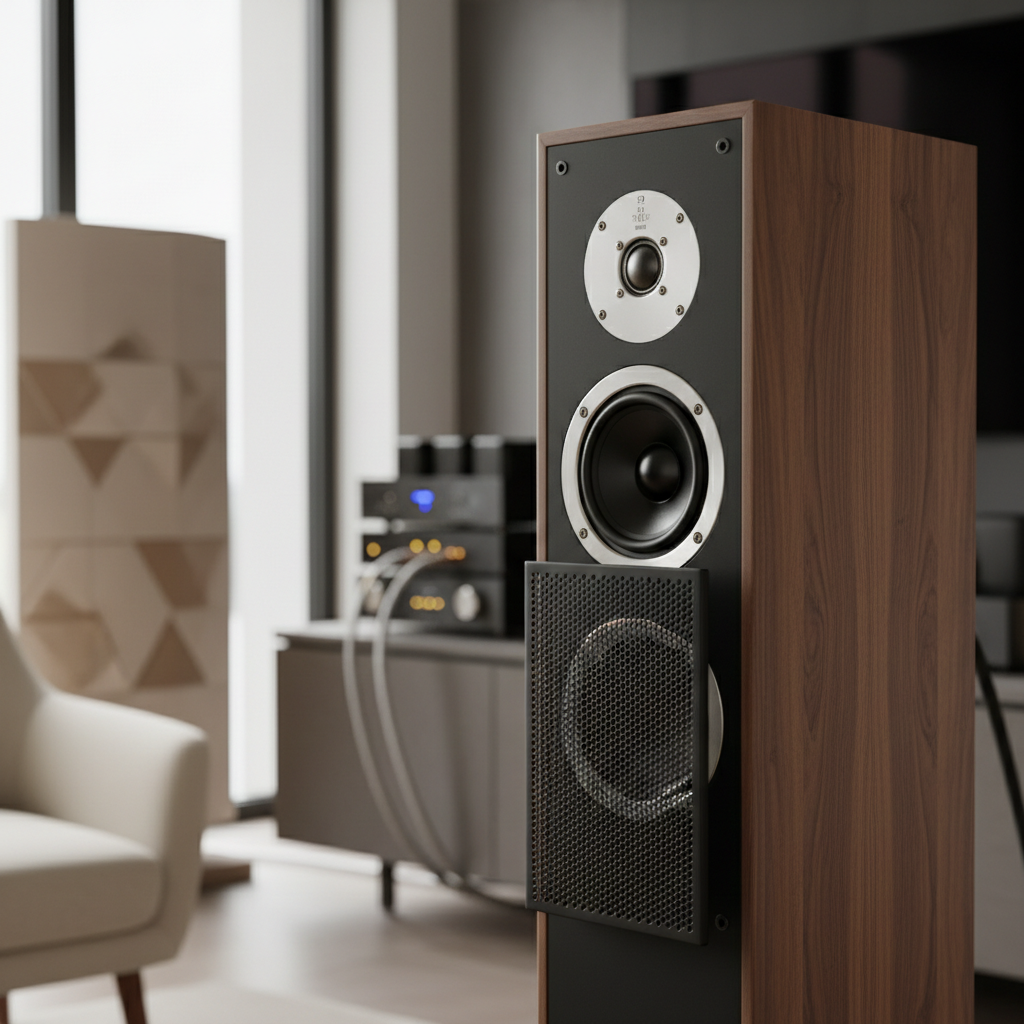
Instead, position your speakers at ear level and ensure they are facing the listening area. Experiment with different arrangements, such as the classic triangle setup, where the speakers and listening position form an equilateral triangle. This can greatly enhance your audio experience.
Ignoring Cable Management
Another frequent oversight is neglecting cable management. Disorganized cables can lead to signal interference and even pose a safety hazard. Invest in quality cables and take the time to organize them properly. Use cable ties or sleeves to keep everything neat and tidy.
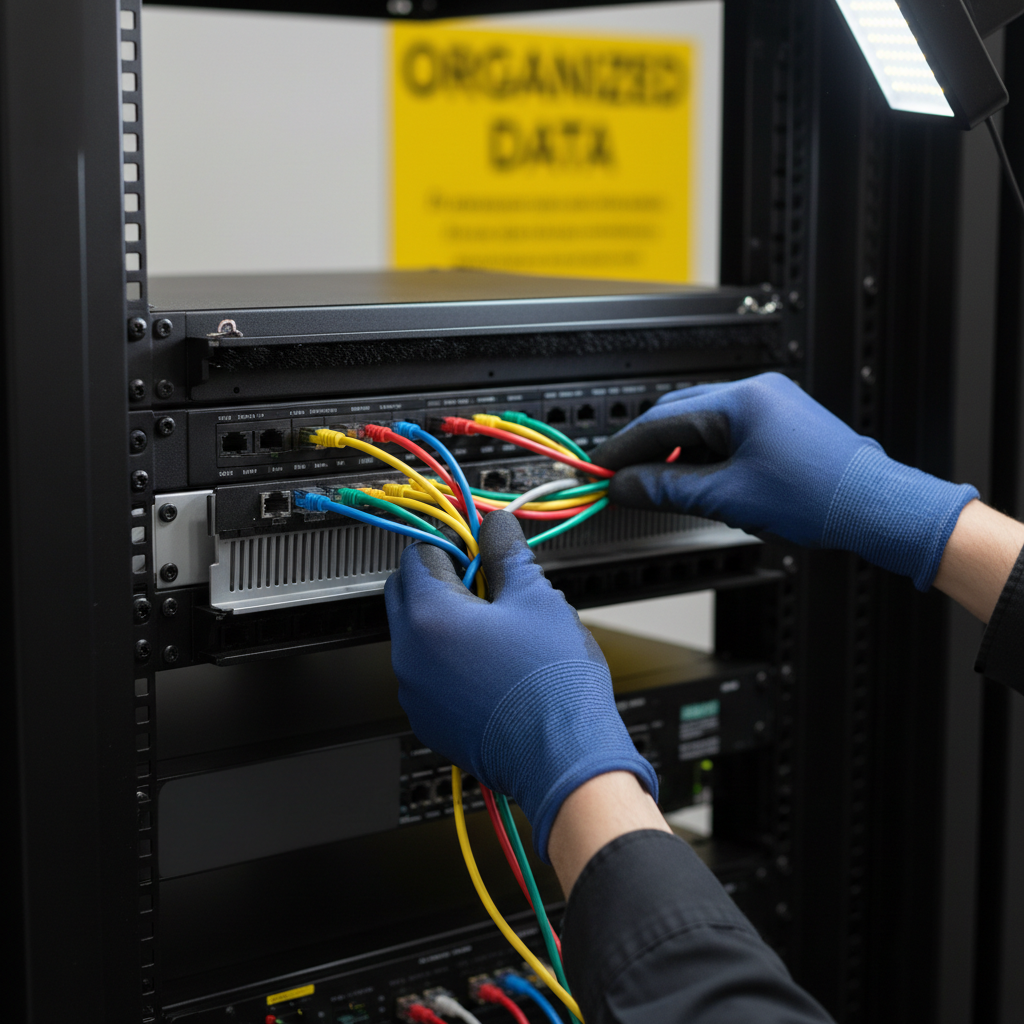
Ensure that your cables are of the appropriate length to avoid tension or unnecessary loops. Proper cable management not only improves aesthetics but also enhances the performance of your audio system.
Overlooking Room Acoustics
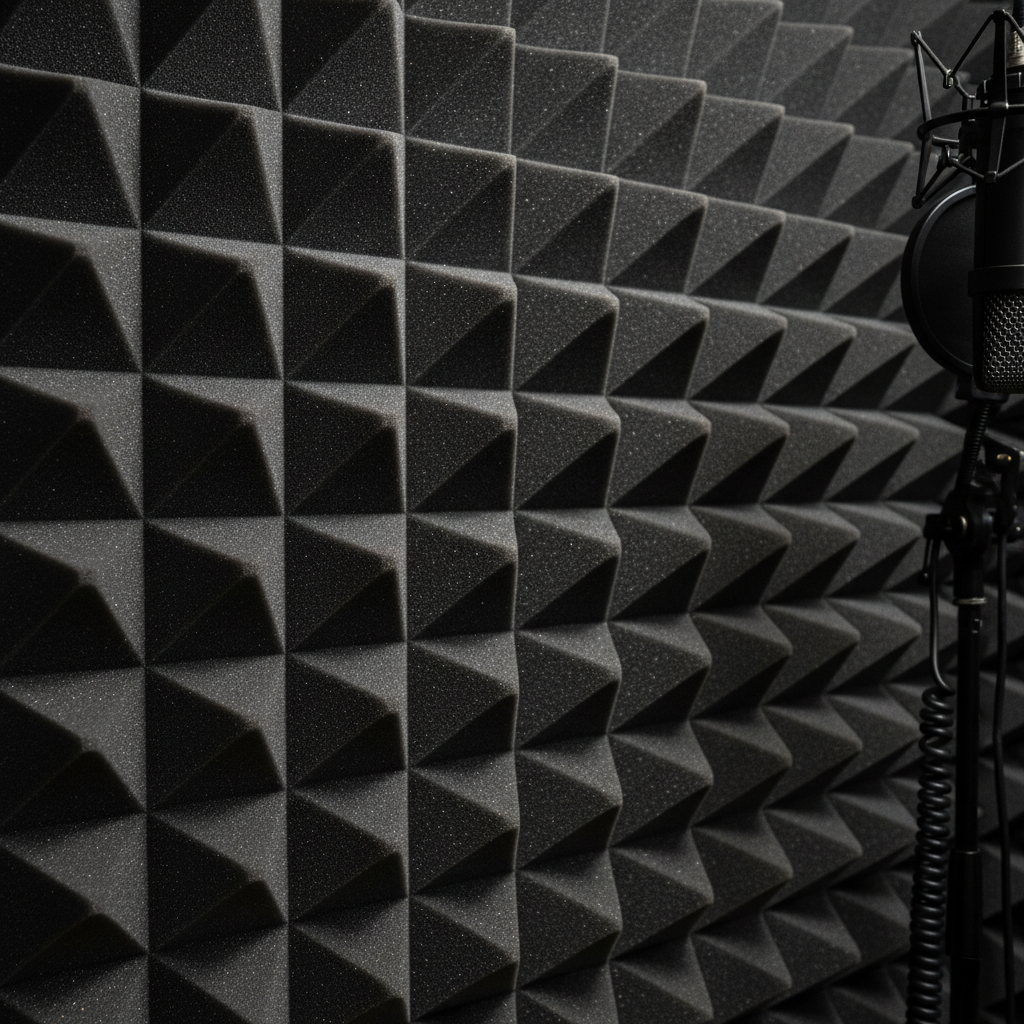
Room acoustics play a vital role in the performance of your audio system. Many people underestimate the impact of furniture, carpets, and curtains on sound quality. These elements can absorb or reflect sound, affecting the overall listening experience.
Consider using acoustic panels or diffusers to manage sound reflections and improve clarity. Simple adjustments, like adding a rug or rearranging furniture, can also make a significant difference.
Not Calibrating Your System
Finally, failing to calibrate your system is a mistake that can undermine all your efforts. Calibration involves adjusting the settings on your receiver or amplifier to match your specific room and listening preferences. Many modern systems come with automatic calibration tools that can simplify this process.
Take the time to familiarize yourself with your equipment's calibration options. Proper calibration ensures that you get the most out of your home audio system, providing a balanced and immersive sound experience.